
The impact of color and lighting
The strategic use of color and lighting in casinos significantly influences player behavior and enhances the overall experience. Warm colors like red and yellow are often employed to evoke excitement and urgency, encouraging players to engage more deeply with the games, especially at the best australian online casino where these techniques are prominently featured. These colors are psychologically associated with increased heart rates and adrenaline, creating an atmosphere that feels vibrant and dynamic. In contrast, cool colors like blue and green provide a calming effect, allowing for moments of relaxation amidst the high-energy activity. This dual approach helps maintain a balanced environment that prolongs visits while minimizing the urge to leave.
Lighting also plays a crucial role in shaping player experiences. Casinos typically utilize bright, focused lights on gaming tables and machines, creating a focal point that draws players in. Softer ambient lighting is reserved for pathways and lounges, promoting relaxation and social interaction. This carefully orchestrated lighting strategy not only enhances visibility but also fosters a sense of competition and thrill among players. By highlighting certain areas of the casino, lighting can subtly influence player behavior, encouraging longer stays and increased spending.
Moreover, the psychological effects of color and lighting extend beyond mere aesthetics; they tap into the subconscious of players. Research has consistently shown that environments rich in vibrant colors can elevate mood and arousal, making players more enthusiastic about participating in games. The interplay between lighting and color thus not only enhances the overall ambiance but also motivates players to engage in riskier bets and extended gaming sessions. This ultimately impacts their behavior and spending patterns significantly, showcasing the profound influence of design on player engagement.
The layout and flow of the casino
Casino design often leverages spatial layout to create a sense of intrigue and exploration. The deliberate arrangement of gaming machines and tables is designed to entice players to navigate the casino, encouraging them to discover new attractions amidst familiar surroundings. By positioning high-paying machines in prominent locations, casinos can draw players into different areas, potentially increasing their time spent on the floor and their overall spending. This strategic layout not only promotes individual exploration but also enhances the sense of community as players often congregate around popular games, fostering social interaction.
The flow of a casino is intentionally crafted to be intuitive yet captivating, guiding players through a maze of games without clear exits. This concept of ‘spatial disorientation’ is a deliberate tactic; it prevents players from easily finding their way out, subtly encouraging them to extend their stay. Additionally, the placement of essential amenities such as bars, restaurants, and restrooms is thoughtfully considered to ensure they are accessible yet not overtly noticeable, further contributing to prolonged engagement and minimizing the likelihood of players leaving.
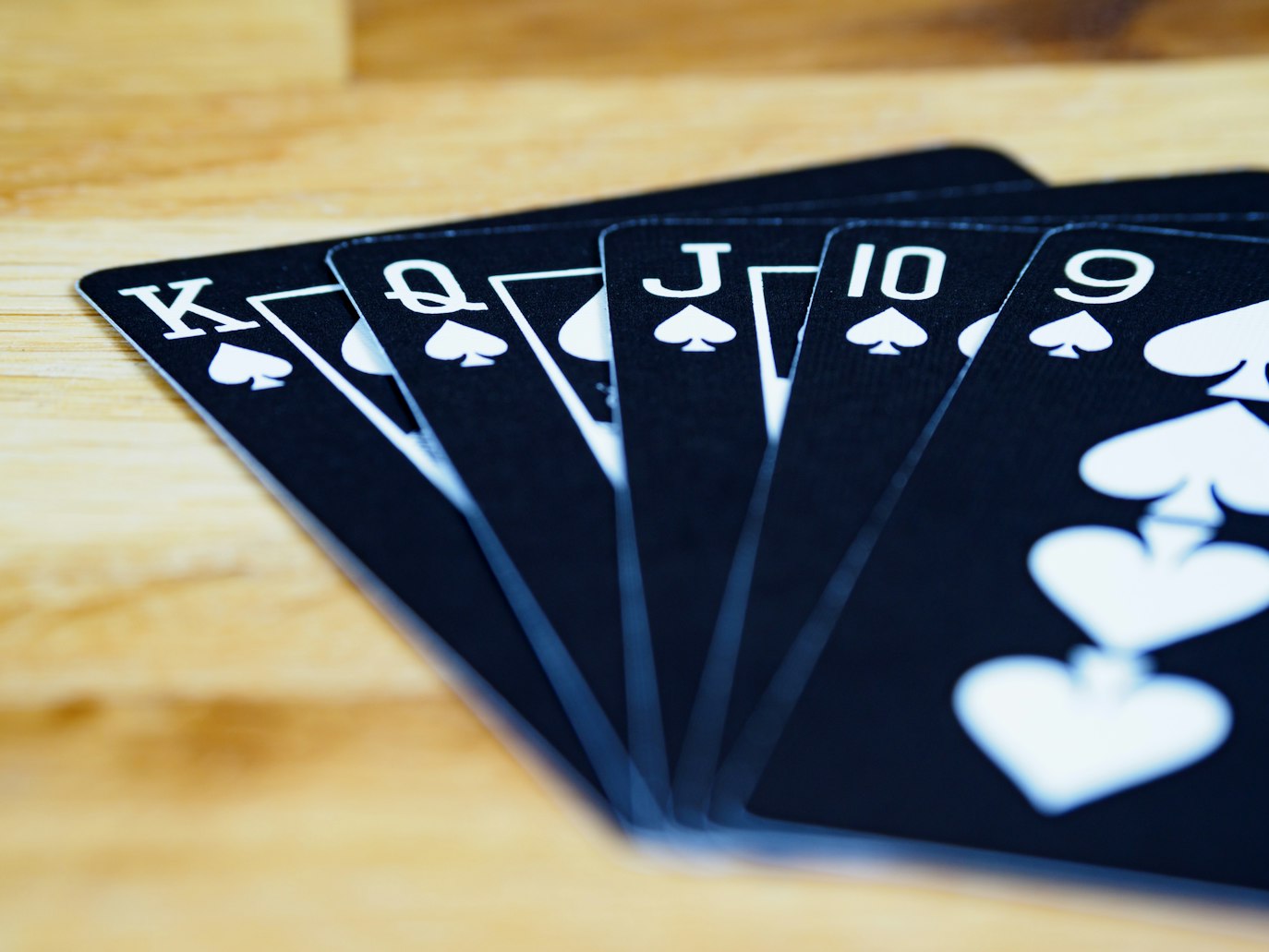
Moreover, the psychological principle of the “sunk cost fallacy” plays a significant role in how players interact with the casino’s layout. When players have invested time and money into a particular game, they may feel compelled to continue playing rather than walking away, believing they must recoup their losses. This psychological trap, influenced by the physical structure and flow of the casino, leads to extended gaming sessions that can significantly impact a player’s overall behavior and spending habits, making it a vital aspect of casino design strategy.
Soundscapes and their influence
The auditory environment within a casino also plays a crucial role in shaping player behavior. Specific soundscapes are carefully crafted to enhance the gaming experience, often incorporating upbeat music alongside the sounds of coins dropping or jackpots ringing, which stimulate excitement and positive emotions. These auditory cues create an atmosphere of thrill that enhances player engagement, prompting them to play longer and make bigger bets. The strategic use of sound not only keeps players entertained but also reinforces the notion of winning, which can be incredibly motivating.
Interestingly, research indicates that the tempo and volume of music can significantly affect gambling behavior. Faster tempos can elevate arousal levels, encouraging more aggressive betting and risk-taking, while slower tempos might induce a more reflective state, prompting players to consider their strategies. Casinos often adjust these sound dynamics based on peak times and the types of games being played, ensuring a tailored experience that resonates with the mood of the crowd. This adaptability allows casinos to maintain a lively environment and constantly push players toward prolonged engagement.
In addition, ambient sounds, such as the gentle hum of conversation mixed with the distant sounds of machines, create a rich auditory landscape that immerses players in the experience. This sound design helps players stay focused on their surroundings while reducing distractions from external factors. By crafting a compelling auditory environment, casinos not only enhance player enjoyment but also cultivate an atmosphere that feels safe and thrilling, encouraging individuals to return time and time again for the exhilarating experience they offer.
The role of rewards and loyalty programs
In the competitive landscape of casinos, reward systems are crucial in encouraging repeat visits and sustained engagement. Loyalty programs designed to reward players with points for every dollar spent tap into psychological principles such as operant conditioning, where rewards reinforce positive behaviors. As players accumulate points, they feel a strong compulsion to return to the casino to redeem these rewards, inadvertently increasing their gambling frequency and total spending. This creates a cycle where players associate the casino experience with both enjoyment and tangible benefits.

These loyalty programs are often tiered, offering higher rewards for increased spending, which can lead to a psychological race among players to achieve the next level. This competitive aspect adds a layer of excitement, as players are motivated not only by the desire to win but also by the burgeoning benefits of being a ‘high roller.’ The perceived value of rewards extends beyond mere material gain, creating an emotional attachment to the casino brand and a sense of loyalty that is hard to break, making these programs an essential component of player retention strategies.
Furthermore, the strategic implementation of bonuses, free plays, and exclusive events for members plays a vital role in shaping player behavior. By offering tangible perks, casinos can effectively enhance the player experience while further incentivizing gambling. This dual focus on emotional satisfaction and monetary reward ensures that players remain engaged, fostering a cycle of retention that benefits both the player and the casino. The psychological interplay between rewards and player behavior exemplifies effective casino design, illustrating how understanding human psychology can drive business success.
The website experience and its impact
As the world becomes increasingly digital, the online presence of casinos has evolved to reflect the psychology of player behavior. Just like physical casinos, online platforms aim to create an engaging experience that mirrors the excitement of the casino floor. An intuitive website design with vibrant graphics, user-friendly navigation, and engaging content all contribute to keeping players engrossed. The aesthetics of these websites are carefully crafted to ensure that players feel welcomed and excited as they embark on their virtual gaming journeys, simulating the thrill of being in a physical casino.
Moreover, online casinos leverage data analytics to enhance player engagement through personalized experiences. By tailoring promotions and game offerings based on individual preferences and playing habits, these platforms foster a deeper connection between players and the site. This level of personalization increases the likelihood of repeat visits and prolonged gaming sessions, which is particularly effective in maintaining player interest in a highly competitive market. By understanding what drives player preferences, online casinos can create a more satisfying and engaging experience.
Ultimately, the psychology behind casino design, both physical and online, hinges on a deep understanding of player behavior. By analyzing elements such as color, layout, sound, rewards, and digital experiences, casinos can create environments that not only attract players but also encourage them to stay longer and spend more. This comprehensive understanding of psychology ensures that both traditional and online casinos remain vibrant, engaging spaces that resonate with their audiences. As technology evolves, these insights will continue to shape the future of casino design and player interaction, ensuring that the excitement never wanes.
